Q: Which is the power wire?
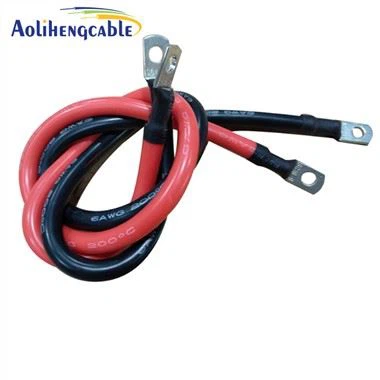
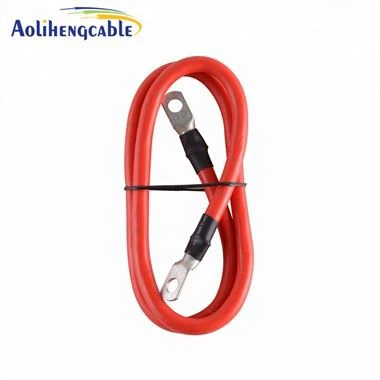
A: Black or red wires always carry power from the service panel (breaker box) to your home's devices. What are Red Wires? Red wires are usually used as secondary hot wires. Red wires are also hot and should be clearly marked to avoid the dangers of electrocution.
Q: What is power cable called?
A: A power cord, line cord, or mains cable is an electrical cable that temporarily connects an appliance to the mains electricity supply via a wall socket or extension cord.
Q: What are the 3 types of wires?
A: The three wires used to carry electricity from one place to another are: Live wire (L) Neutral wire (N) Earth wire (E)
Q: What are power wires used for?
A: A power cable is an electrical cable, an assembly of one or more electrical conductors, usually held together with an overall sheath. The assembly is used for transmission of electrical power. Power cables may be installed as permanent wiring within buildings, buried in the ground, run overhead, or exposed.
Q: What is the difference between power cable and wire?
A: A wire is used to carry electricity, to bear the mechanical loads, to transmit telecommunication signals, for heating jewellery, clothing, automotive or any industrial manufactured parts like pins, bulbs and needles. A cable is used for power transmission, for telecommunication signals or to carry electricity.
Q: How do I identify a power wire?
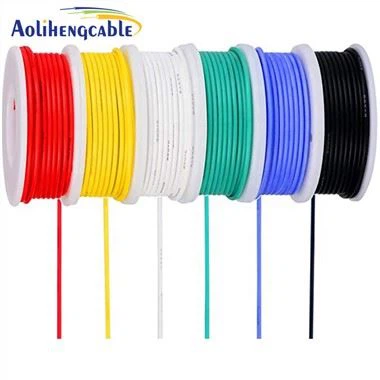
A: These are the standard house wiring colors: Black: hot wire. Red: secondary hot wire, often used with larger appliances. White: neutral wire. Green: ground wire.
Q: Why do power cables have 3 wires?
A: As compared to a single-phase AC power supply that uses two current carrying conductors (phase and neutral), a three-phase supply with no neutral and the same phase-to-ground voltage and current capacity per phase can transmit three times as much power using just 1.5 times as many wires (i.e., three instead of two).
Q: What are the two basic types of wire?
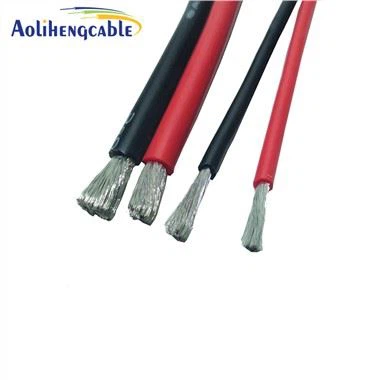
A: The two categories of single-conductor wires are solid and stranded (also called braided). Solid wire is rigid and conducts electricity better. Stranded wire consists of smaller wires braided together.
Q: What is in electrical wire?
A: An electrical wire is a type of conductor, which is a material that conducts electricity. In the case of household wiring, the conductor itself is usually copper or aluminum (or copper-sheathed aluminum) and is either a solid metal conductor or stranded wire.
A: Wires and cables are rated by the circuit voltage, temperature rating and environmental conditions (moisture, sunlight, oil, chemicals) in which they can be used.
Q: What is the best wire for power?
A: copper Wire Material Most wire will be marked “CU” for copper, the most common conductor of residential electricity. Because electricity travels on the outside of copper wire, these wires are insulated to protect against fire and shock. Aluminum wire is more conductive than copper wire, but it also degrades faster.
Q: Which is better wire or cable?
A: Solid wires offer low resistance, thus, perfect for use in higher frequencies. Stranded wire shows higher resistance to metal fatigue. Higher strength, heavy duty, and insulated. In succinct terms, a wire is a single conductor while cable is a group of two or more conductors
Q: Is power cord a cable?
A: Power cords and power cables are terms often used interchangeably to describe the same product, but there can be subtle distinctions between them depending on the context and the specific characteristics of the cable.
Q: What are the 3 basic rules of wiring?
A: The Building Blocks of the Circuit Rule 1 – Electricity will always want to flow from a higher voltage to a lower voltage. Rule 2 – Electricity always has work that needs to be done. Rule 3 – Electricity always needs a path to travel.
Q: Which wire is best for home use?
A: He told me that copper wires/cables are the best electric wire for house wiring due to their high conductivity, low electrical resistance, and durability. Copper wires can handle high loads of electricity and are resistant to corrosion, making them a reliable choice for long-term use.
Q: Can I use any power cable with power supply?
A: Not necessarily. Each device has specific power requirements, so it's essential to use the correct cord. Check the device's label or manual for voltage and current ratings to match the power cord properly.
A: power lead (plural power leads) (Britain, electricity) a power cable or power cord which connects an appliance or other electrical device to the mains.
Q: What is the disadvantage of cable?
A: Cables can be difficult to install and maintain, as they require special tools and expertise. They can also be expensive, depending on the type of cable used. Additionally, cables are not as flexible as wireless connections, so it may be difficult to rearrange the layout of a room if needed.
Q: Is charger a volt or watt?
A: Wattage is the overall measurement of power that flows through your charger, so a higher cell phone charger wattage means that your device will charge faster. If you're shopping for a new charger and the wattage isn't listed, you can also calculate it with the formula: watts = volts x amps.
Q: Are all power cables the same?
A: Many power cords or leads are interchangeable within the same country and within the same family. Those that have specialized requirements tend to have interlocking devices or tabs that prevent similar cords from being used in other places.