

Can I use speaker cable with a DJ setup?
Jul 22, 2025
Hey there, fellow DJs and audio enthusiasts! I'm [Your Name], and I run a speaker cable supply business. One question I get asked a lot is, "Can I use speaker cable with a DJ setup?" Well, let's dive right into it and find out.
First off, what exactly is a DJ setup? A typical DJ setup usually consists of a mixer, turntables or CDJs, and speakers. The goal is to take the audio signal from the source (like a record or a digital music file), manipulate it using the mixer, and then send it to the speakers so that everyone can enjoy the music.
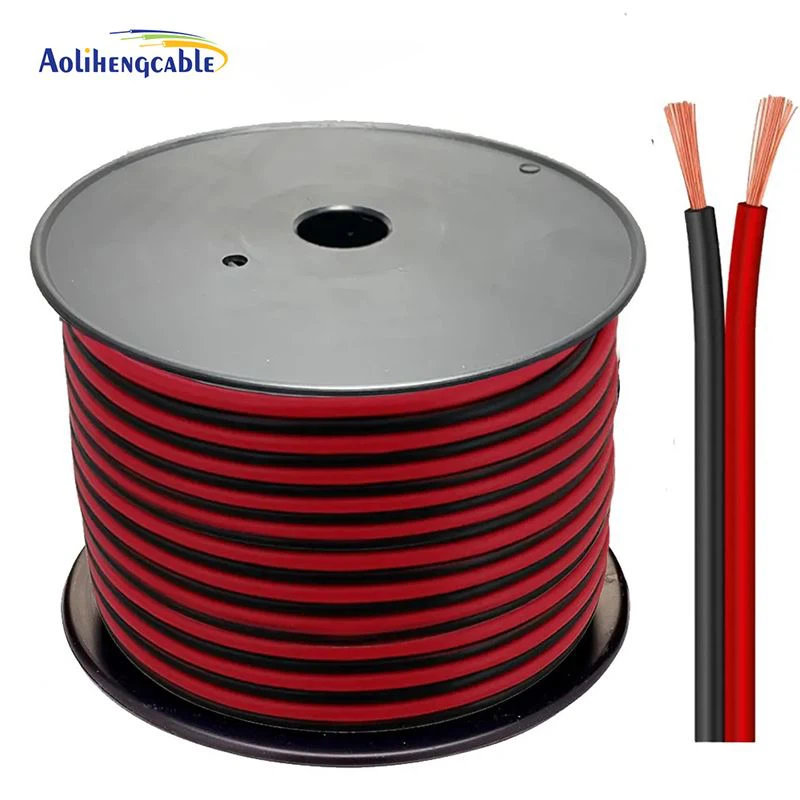

Now, let's talk about speaker cables. Speaker cables are designed to carry the amplified audio signal from the amplifier (which is often built into the mixer or a separate power amp) to the speakers. They're not the same as the cables you use to connect your turntables or CDJs to the mixer. Those are usually RCA or XLR cables, which carry the unamplified audio signal.
So, can you use speaker cable with a DJ setup? The short answer is yes, you can. In fact, you need to use speaker cable to connect your amplifier to your speakers. Without it, the audio signal won't be able to reach the speakers, and you won't have any sound.
But there are a few things you need to keep in mind when choosing speaker cable for your DJ setup.
Cable Gauge
The gauge of a cable refers to its thickness. Thicker cables (lower gauge numbers) have less resistance, which means they can carry the audio signal more efficiently. For a DJ setup, I recommend using a cable with a gauge of at least 12 or 14. This will ensure that you get the best possible sound quality and that your speakers receive enough power.
Cable Length
The length of the cable also matters. Longer cables have more resistance, which can cause a loss of signal strength and quality. Try to keep your cable length as short as possible. If you need a longer cable, make sure to use a thicker gauge to compensate for the increased resistance.
Cable Quality
Not all speaker cables are created equal. Cheaper cables may be made of lower-quality materials, which can affect the sound quality. Look for cables that are made of high-quality copper or silver and that have good insulation. This will help to reduce interference and ensure that you get a clean, clear audio signal.
Connector Type
The connectors on the ends of the cable are also important. Make sure that the connectors are compatible with your amplifier and speakers. Common connector types include banana plugs, spade connectors, and bare wire.
Now, let's take a look at some of the speaker cables that we offer at our business.
We have a great selection of 2.5mm Speaker Wire. This wire is perfect for smaller DJ setups or for connecting speakers that are close to the amplifier. It's made of high-quality copper and has a flexible insulation, which makes it easy to work with.
If you need a thicker cable, we also offer 2.5mm Speaker Cable. This cable is more suitable for larger DJ setups or for connecting speakers that are farther away from the amplifier. It has a lower resistance and can carry more power, which means that you'll get better sound quality.
And for those who need an even thicker cable, we have 4mm2 Speaker Wire. This wire is ideal for professional DJ setups or for use in large venues. It can handle high power levels and has excellent signal transfer capabilities.
In addition to these cables, we also offer a variety of connectors and accessories to make it easy for you to set up your DJ system.
So, if you're looking for high-quality speaker cable for your DJ setup, look no further. We have the products you need to get the best possible sound quality. Whether you're a beginner DJ or a professional, we have the right cable for you.
If you have any questions or need help choosing the right cable for your setup, don't hesitate to contact us. We're here to help you make the best decision for your needs. And if you're interested in purchasing our speaker cables, we'd love to talk to you about pricing and availability. Just reach out, and we'll get the ball rolling on your next audio upgrade.
References
- "Audio Engineering Handbook" by Glen Ballou
- "The Complete Guide to Audio and Music Technology" by David Miles Huber and Robert E. Runstein