

Can I use speaker cable with a powered speaker?
Dec 18, 2025
Before delving into whether you can use speaker cable with a powered speaker, it's essential to understand what a powered speaker is and how it functions. A powered speaker, also known as an active speaker, is a type of loudspeaker that has a built - in amplifier. This means it can take a low - level audio signal and boost it to a sufficient level to drive the speaker cones and produce sound. In contrast, passive speakers rely on an external amplifier to power them.
The Basics of Speaker Cables
Speaker cables are designed to carry the amplified electrical audio signal from an amplifier to a speaker. They are typically made of two conductors, usually copper, which are insulated from each other and often surrounded by an outer jacket for protection. The quality and characteristics of the speaker cable can have an impact on the audio signal it carries.
The gauge, or thickness, of the wire in the speaker cable is an important factor. Thicker wires (lower gauge numbers) generally have less resistance, which means they can transmit the audio signal more efficiently. For example, a 14 AWG Speaker Cable is thicker and has lower resistance compared to a higher - gauge cable like 18 AWG. This can result in better sound quality, especially over longer cable runs.
Using Speaker Cable with Powered Speakers
The short answer is yes, you can use speaker cable with a powered speaker. In fact, it is the standard and recommended way to connect a source device (such as a mixer, media player, or computer) to a powered speaker.
Powered speakers usually have input connectors that are designed to accept a speaker - level signal. The speaker cable provides a direct and reliable connection between the output of the source device and the input of the powered speaker. When you connect a source device to a powered speaker using a speaker cable, the audio signal travels from the source, through the cable, and into the speaker's built - in amplifier, where it is further amplified and then converted into sound.
Benefits of Using the Right Speaker Cable
- Improved Sound Quality: As mentioned earlier, a high - quality speaker cable with the appropriate gauge can reduce signal loss and interference. This results in a cleaner, more accurate audio signal reaching the speaker, which in turn can lead to better sound reproduction. You'll notice clearer highs, more defined mids, and deeper, tighter lows.
- Reliability: A well - made speaker cable is less likely to break or develop intermittent connections. This is crucial in professional audio setups or home audio systems where you don't want to experience sudden dropouts or audio glitches.
- Long - Term Durability: Good speaker cables are built to last. They are often made with high - quality materials that can withstand repeated bending, pulling, and general wear and tear. This means you won't have to replace your cables frequently, saving you money in the long run.
Different Types of Speaker Cables for Powered Speakers
- Standard Speaker Cables: These are the most common type of cables used to connect powered speakers. They come in various lengths and gauges to suit different applications. For short cable runs in a small room, a higher - gauge cable like 18 AWG might be sufficient. However, for longer distances or high - power applications, a lower - gauge cable like 14 AWG is recommended.
- Automotive Speaker Wire: While primarily designed for automotive audio systems, automotive speaker wire can also be used with powered speakers in some cases. It is often more flexible and can be a good option if you need to route the cable in tight spaces.
- Microphone Cable: Although microphone cables are mainly used for carrying low - level microphone signals, they can sometimes be used in a pinch to connect a source to a powered speaker. However, they are not ideal as they are not designed to handle the higher power levels of a speaker - level signal, and they may not provide the same level of performance as a dedicated speaker cable.
Considerations When Using Speaker Cables with Powered Speakers
- Cable Length: The length of the speaker cable can affect the audio signal. Longer cables have more resistance, which can cause a loss of high - frequency content and a reduction in overall volume. As a rule of thumb, try to keep the cable length as short as possible while still allowing for proper placement of the source device and the powered speaker.
- Power Handling: Make sure the speaker cable you choose can handle the power output of your powered speaker. If the cable has a low power - handling capacity, it can overheat and potentially cause damage to the cable or the speaker.
- Connector Types: Different powered speakers may have different input connector types, such as XLR, TRS, or banana plugs. Make sure the speaker cable you use has the appropriate connectors to match your speaker and source device.
Our Offerings as a Speaker Cable Supplier
As a leading speaker cable supplier, we understand the importance of providing high - quality cables that meet the diverse needs of our customers. Our product range includes a wide variety of speaker cables, from standard cables to specialized options like automotive speaker wire.

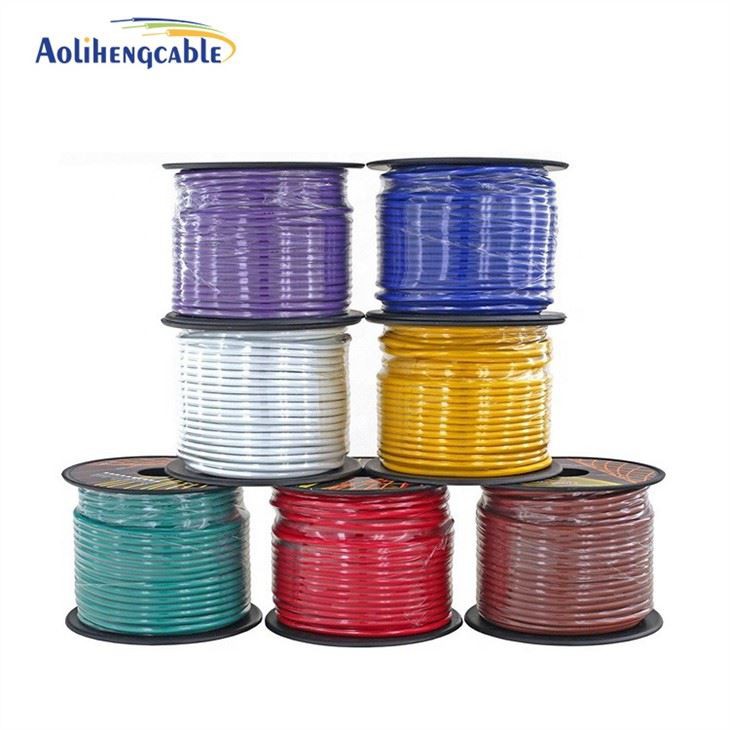
We source our materials from the best suppliers in the industry, ensuring that our cables are made with high - purity copper conductors for excellent signal transmission. Our cables are also rigorously tested to meet strict quality standards, so you can be confident in their performance and reliability.
Whether you are setting up a small home audio system, a professional recording studio, or a live sound event, we have the right speaker cable for you. Our knowledgeable customer support team is always ready to assist you in choosing the best cable for your specific application.
Contact Us for Your Speaker Cable Needs
If you are interested in purchasing speaker cables for your powered speakers or have any questions about our products, we encourage you to get in touch with us. We are committed to providing you with the best products and services at competitive prices.
We believe that the right speaker cable can make a significant difference in the performance of your audio system. So, don't compromise on quality. Contact us today to start a discussion about your speaker cable requirements and let us help you find the perfect solution for your audio setup.
References
- Toole, Floyd E. "Sound Reproduction: The Acoustics and Psychoacoustics of Loudspeakers and Rooms." Elsevier, 2019.
- Eargle, John. "Handbook of Audio Engineering." Focal Press, 2012.