

How to connect IoT devices using Internet Wire?
Jun 24, 2025
Hey there! As an Internet Wire supplier, I'm super stoked to share with you how to connect IoT devices using Internet Wire. In today's tech - crazy world, IoT devices are everywhere, from smart homes to industrial automation. And Internet Wire plays a crucial role in making these connections reliable and efficient.
First off, let's understand what IoT devices are. IoT, or the Internet of Things, refers to the network of physical objects - "things" - that are embedded with sensors, software, and other technologies for the purpose of connecting and exchanging data with other devices and systems over the internet. Think of smart thermostats that adjust the temperature based on your preferences, or fitness trackers that send your workout data to your phone.
Now, why use Internet Wire for connecting these IoT devices? Well, compared to wireless connections, Internet Wire offers more stable and secure data transmission. Wireless signals can be affected by interference from other electronic devices, walls, and even the weather. On the other hand, Internet Wire provides a direct and consistent connection, reducing the chances of data loss or slowdowns.
Types of Internet Wire
There are different types of Internet Wire available, and choosing the right one depends on your specific needs. One popular option is the UTP Indoor Cables. These cables are great for indoor use, such as in homes or offices. They are cost - effective and can support high - speed data transfer for multiple IoT devices.
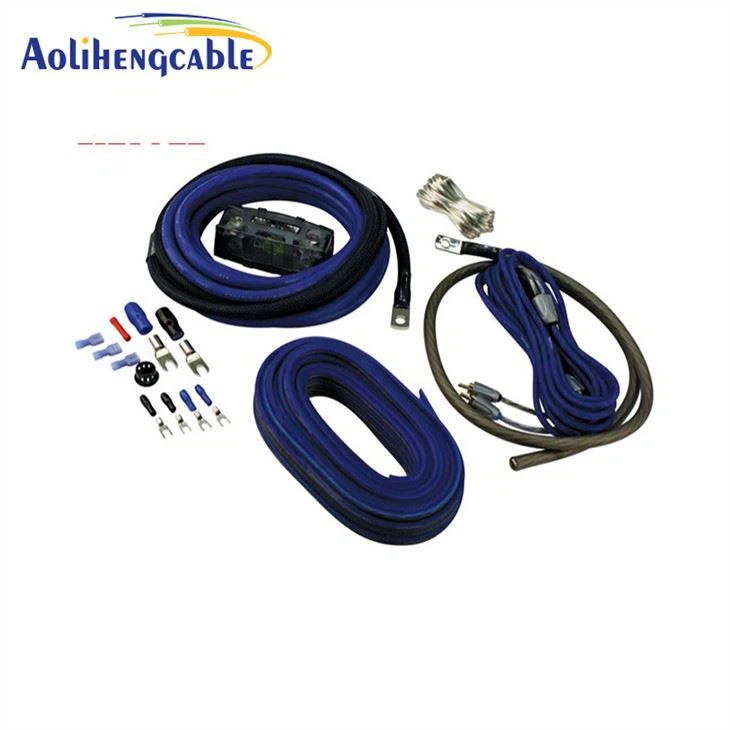
If you're working on a project that involves a vehicle, like setting up IoT devices in a car for monitoring engine performance or in - car entertainment systems, the Car Audio Wiring Kit might be a good choice. It's designed to handle the unique electrical environment of a vehicle and can ensure a reliable connection for your in - car IoT devices.
Preparing for the Connection
Before you start connecting your IoT devices using Internet Wire, there are a few things you need to do. First, gather all the necessary tools. You'll need a cable cutter, a cable stripper, and a crimping tool. These tools will help you prepare the Internet Wire and attach the connectors properly.
Next, plan the layout of your IoT network. Decide where each device will be placed and how the Internet Wire will be routed. Make sure to avoid areas with high electromagnetic interference, such as near large motors or power transformers. This will help maintain the quality of the data transmission.
Connecting the Devices
Now, let's get into the actual process of connecting the IoT devices. Start by cutting the Internet Wire to the appropriate length. Use the cable cutter to make a clean cut. Then, use the cable stripper to remove the outer insulation of the wire, exposing the individual conductors inside.
There are different standards for wiring the connectors, such as T568A and T568B. Make sure to follow one of these standards consistently throughout your network. Once you've arranged the conductors according to the chosen standard, insert them into the connector. Use the crimping tool to secure the connector to the wire.
Connect one end of the Internet Wire to the IoT device and the other end to the network switch or router. If you're connecting multiple devices, you may need to use a network switch to expand the number of available ports.

Testing the Connection
After connecting all the devices, it's important to test the connection to make sure everything is working properly. Check if the IoT devices can communicate with each other and with the network. You can do this by running diagnostic tests on the devices or using network monitoring tools.
If you encounter any issues, such as a weak signal or no connection at all, check the connections first. Make sure the connectors are properly attached and that there are no loose wires. You may also need to check the configuration settings of the IoT devices and the network switch or router.
Maintenance and Troubleshooting
Once your IoT network is up and running, regular maintenance is essential. Check the Internet Wire periodically for any signs of damage, such as cuts or fraying. If you notice any damage, replace the cable immediately to avoid data loss or connection problems.
If you experience intermittent connection issues, it could be due to a faulty connector or a problem with the network switch. Try replacing the connector or the switch to see if that solves the problem.
Benefits of Using Our Internet Wire
As a supplier, we take pride in offering high - quality Internet Wire. Our wires are made from premium materials, which ensures durability and reliable performance. They are also tested rigorously to meet industry standards, so you can trust that they will work well in your IoT network.
We also provide excellent customer support. If you have any questions about choosing the right Internet Wire or need help with the installation process, our team of experts is always ready to assist you.
Conclusion
Connecting IoT devices using Internet Wire is a great way to build a stable and secure network. By following the steps outlined in this blog, you can successfully set up your IoT network and enjoy the benefits of seamless data transmission.
If you're interested in purchasing our Internet Wire or have any questions about our products, feel free to reach out. We're here to help you take your IoT project to the next level. Whether you're a DIY enthusiast or a professional installer, we have the right solutions for you.
References
- Internet of Things Basics, published by an industry - leading tech magazine.
- Ethernet Cabling Standards and Best Practices, a technical guide from a well - known networking organization.