

How to install a new car battery cable?
Nov 06, 2025
Installing a new car battery cable might seem like a daunting task, but with the right guidance and a bit of know - how, you can do it yourself. As a reputable Car Battery Cable supplier, I've seen firsthand the importance of proper installation. In this blog, I'll walk you through the step - by - step process of installing a new car battery cable.
Step 1: Gather the Necessary Tools and Materials
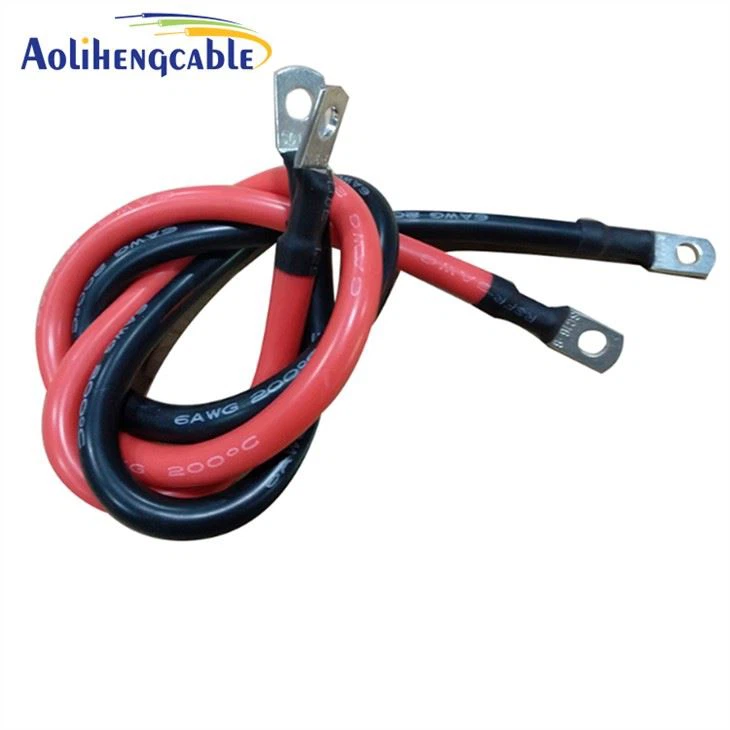
Before you start the installation process, you need to make sure you have all the tools and materials at hand. The tools you'll need include a socket wrench set, a wire cutter, and a wire stripper. For the materials, you'll require a new car battery cable. You can choose from different gauges depending on your vehicle's requirements. For instance, the 8 Gauge Battery Cable is suitable for many standard vehicles, while the 2 Gauge Battery Cable is often used for high - power applications. You can find a wide range of Car Battery Connection Wire on our website.
Step 2: Safety First
Safety should always be your top priority when working on your car's electrical system. First, make sure your vehicle is turned off. This will prevent any electrical shocks or short - circuits. Put on a pair of safety gloves and safety glasses to protect your hands and eyes from any potential hazards.
Step 3: Locate the Battery
The car battery is usually located under the hood of your vehicle. In some cars, it might be in the trunk or under the rear seat. Once you've found the battery, take a moment to inspect it for any signs of damage or corrosion. If the battery terminals are corroded, you'll need to clean them before installing the new cable.
Step 4: Remove the Old Battery Cable
Start by removing the negative cable first. The negative cable is usually black and is marked with a minus (-) sign. Use a socket wrench to loosen the nut on the negative terminal. Once the nut is loose, carefully pull the cable off the terminal. Be careful not to let the cable touch any metal parts of the vehicle, as this could cause a short - circuit.
Next, remove the positive cable. The positive cable is usually red and is marked with a plus (+) sign. Repeat the same process as you did for the negative cable: loosen the nut with a socket wrench and then pull the cable off the terminal.
Step 5: Prepare the New Battery Cable
If the new battery cable is longer than you need, use a wire cutter to trim it to the appropriate length. Make sure to leave enough slack so that the cable can move freely without being stretched or pinched.
Once the cable is the right length, use a wire stripper to remove about half an inch of insulation from the ends of the cable. This will expose the bare wire, which will be connected to the battery terminals.
Step 6: Connect the New Battery Cable
Start by connecting the positive cable. Place the end of the positive cable onto the positive terminal of the battery. Make sure the cable is properly seated on the terminal. Then, use a socket wrench to tighten the nut on the terminal. Make sure the nut is tightened securely, but don't over - tighten it, as this could damage the terminal.
Next, connect the negative cable. Repeat the same process as you did for the positive cable: place the end of the negative cable onto the negative terminal of the battery and tighten the nut with a socket wrench.
Step 7: Inspect the Installation
After you've connected the new battery cable, take a moment to inspect the installation. Make sure the cables are securely connected to the terminals and that there are no loose connections. Check to see if the cables are routed properly and that they're not rubbing against any sharp edges or moving parts of the vehicle.

Step 8: Test the Battery
Once you're satisfied with the installation, it's time to test the battery. Turn on your vehicle's ignition. If the engine starts smoothly, then the new battery cable has been installed correctly. If the engine doesn't start or if you notice any electrical problems, double - check your connections and make sure everything is installed properly.
Troubleshooting
If you encounter any problems during the installation process, here are some common issues and their solutions:
- Loose connections: If the battery cable is not securely connected to the terminal, the electrical connection will be poor. Check the nuts on the terminals and make sure they're tightened properly.
- Corroded terminals: Corrosion on the battery terminals can prevent the electrical current from flowing properly. If you notice corrosion on the terminals, clean them with a mixture of baking soda and water. Use a wire brush to scrub away the corrosion, and then rinse the terminals with clean water.
- Wrong cable gauge: Using the wrong gauge of battery cable can cause problems. Make sure you're using the correct gauge of cable for your vehicle's electrical system. If you're not sure which gauge to use, consult your vehicle's owner's manual or contact us for advice.
Why Choose Our Car Battery Cables
As a leading Car Battery Cable supplier, we take pride in offering high - quality products. Our cables are made from premium materials that are designed to withstand the harsh conditions under the hood of your vehicle. They have excellent electrical conductivity, which ensures a reliable power supply to your vehicle's electrical system.
Our team of experts is always available to provide you with technical support and advice. Whether you're a professional mechanic or a DIY enthusiast, we can help you choose the right battery cable for your needs.
Contact Us for Your Battery Cable Needs
If you're in the market for a new car battery cable, look no further. We offer a wide range of battery cables in different gauges and lengths to suit your specific requirements. Our products are competitively priced, and we offer fast shipping to ensure you get your battery cable as soon as possible.
If you have any questions or need more information about our products, please don't hesitate to contact us. We're here to help you with all your car battery cable needs. Whether you're looking for a simple replacement cable or a high - performance cable for a custom application, we have the solution for you.
References
- "Automotive Electrical Systems" by Robert N. Brady
- "How to Maintain Your Car's Battery" - Popular Mechanics Magazine