

Is RVV Wire environmentally friendly?
Dec 26, 2025
As an RVV wire supplier deeply involved in the industry, I've often been asked about the environmental friendliness of RVV wire. This question is not only relevant in today's eco - conscious world but also crucial for our customers who are increasingly looking for sustainable options in their electrical projects. In this blog, I'll explore the various aspects of RVV wire and its environmental impact.
What is RVV Wire?
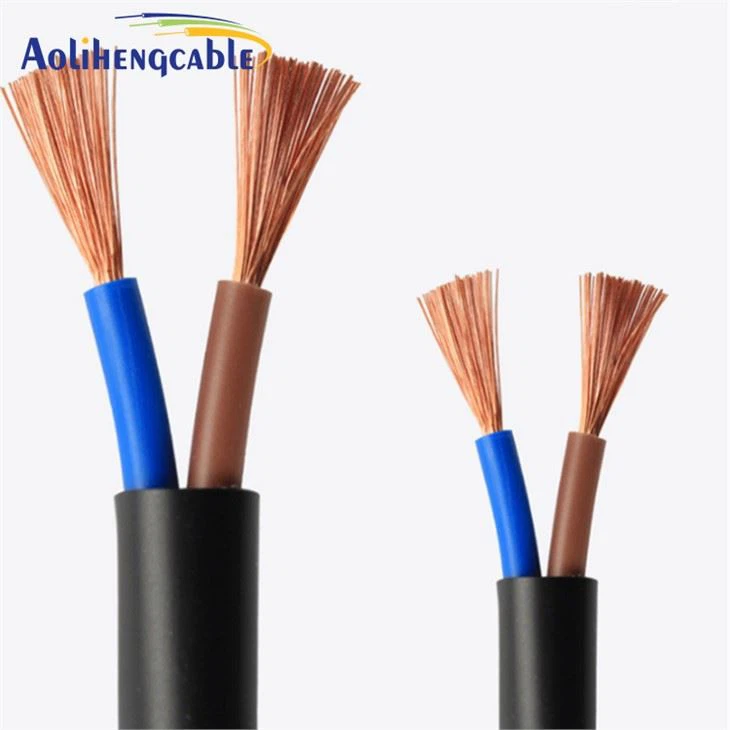
RVV wire, also known as PVC sheathed flexible cable, is a widely used type of electrical wire. It consists of multiple cores of copper conductors, each insulated with PVC (Polyvinyl Chloride), and then covered with an outer PVC sheath. This construction gives RVV wire excellent flexibility, making it suitable for a variety of applications such as household appliances, lighting fixtures, and control circuits. You can find different types of RVV wire on our website, including RVV4 Core Wire and RVV2 Wire.
Environmental Concerns Associated with PVC
The main environmental issue with RVV wire lies in the use of PVC. PVC is a synthetic plastic polymer that has raised several environmental red flags.
Production
The production of PVC involves the use of chlorine, which is derived from salt through an energy - intensive process. This energy consumption contributes to greenhouse gas emissions. Additionally, the production of PVC can release dioxins, which are highly toxic and persistent organic pollutants. Dioxins can accumulate in the environment and in the food chain, posing a significant threat to human health and wildlife.
Disposal
When RVV wire reaches the end of its life cycle, the PVC insulation and sheath can be a problem. PVC is not easily biodegradable, and if it is incinerated, it can release toxic chemicals such as hydrogen chloride gas and dioxins. Landfilling is also not an ideal solution as PVC can leach harmful substances into the soil and groundwater over time.
Our Efforts to Mitigate Environmental Impact
As a responsible RVV wire supplier, we are aware of these environmental concerns and have taken several steps to reduce the negative impact of our products.
Material Selection
We are constantly researching and developing alternative insulation and sheath materials that are more environmentally friendly. For example, some of our new product lines use low - halogen or halogen - free materials. These materials produce fewer toxic emissions during incineration and are more sustainable in the long run.
Recycling Programs
We have established recycling programs for our RVV wire. When customers return their used RVV wire to us, we ensure that it is properly recycled. Our recycling process separates the copper conductors from the insulation and sheath materials. The copper can be reused in the production of new wires, while the insulation and sheath materials are processed in an environmentally friendly way to minimize pollution.
Energy - Efficient Manufacturing
We have also invested in energy - efficient manufacturing processes. By upgrading our production equipment and optimizing our production lines, we have reduced the energy consumption during the manufacturing of RVV wire. This not only helps to lower our carbon footprint but also reduces the overall cost of production.
The Benefits of RVV Wire in Terms of Energy Efficiency
Despite the environmental concerns associated with PVC, RVV wire does have some positive environmental aspects.
Energy Transmission
RVV wire has low electrical resistance, which means that it can transmit electricity more efficiently. This reduces energy losses during transmission, leading to lower energy consumption. In large - scale electrical systems, even a small reduction in energy losses can result in significant energy savings and a corresponding decrease in greenhouse gas emissions.
Longevity
RVV wire is known for its durability. It can withstand harsh environmental conditions such as moisture, heat, and mechanical stress. This long lifespan means that it does not need to be replaced as frequently as some other types of electrical wires. Fewer replacements result in less waste generation and a lower overall environmental impact.
Comparing RVV Wire with Other Types of Wires
When considering the environmental friendliness of RVV wire, it's important to compare it with other types of electrical wires.
Rubber - Insulated Wires
Rubber - insulated wires are often considered a more environmentally friendly alternative to RVV wire. Rubber is a natural material that is biodegradable and produces fewer toxic emissions during incineration. However, rubber - insulated wires are generally less flexible and more expensive than RVV wire. They also have a shorter lifespan in some applications, which may result in more frequent replacements and more waste.
Cross - Linked Polyethylene (XLPE) Insulated Wires
XLPE insulated wires are another option. They have excellent electrical properties and are more resistant to heat and chemicals than RVV wire. However, the production of XLPE also requires a significant amount of energy, and the disposal of XLPE - insulated wires can also be a challenge as they are not easily biodegradable.
Conclusion
In conclusion, the question of whether RVV wire is environmentally friendly is not a straightforward one. While the use of PVC in RVV wire does pose some environmental challenges, there are also positive aspects such as energy efficiency and durability. As a supplier, we are committed to minimizing the environmental impact of our RVV wire through material innovation, recycling programs, and energy - efficient manufacturing.
If you are in the market for high - quality and environmentally - conscious RVV wire, we invite you to explore our RVV Wire Cable product range. We are always happy to discuss your specific requirements and help you find the best solution for your electrical projects. Feel free to reach out to us to start a procurement discussion.

References
- "The Environmental Impact of PVC," European Council for Vinyl Manufacturers.
- "Energy Efficiency in Electrical Wires," International Electrotechnical Commission.
- "Recycling of Electrical Cables," Institute of Scrap Recycling Industries.