

What causes corrosion on car battery cables?
May 23, 2025
As a long - time supplier of Car Battery Cables, I've seen firsthand the issues that plague these crucial components. Corrosion on car battery cables is a common problem that many vehicle owners face, and it can lead to a variety of electrical issues, reduced battery life, and even vehicle breakdowns. In this blog post, I'll delve into the factors that cause corrosion on car battery cables and discuss some ways to prevent it.
Chemical Reactions within the Battery
One of the primary causes of corrosion on car battery cables is the chemical reactions that occur inside the battery itself. Car batteries typically use a lead - acid chemistry. When the battery is in use, sulfuric acid electrolyte is involved in the charging and discharging process. Over time, small amounts of this acid can vaporize and escape from the battery vents.
When the sulfuric acid vapor comes into contact with the metal of the battery cables, which are usually made of copper or lead - coated copper, a chemical reaction occurs. The acid reacts with the metal to form metal sulfates. For example, copper reacts with sulfuric acid to form copper sulfate, which appears as a blue - green powdery substance on the cables. Lead also reacts with sulfuric acid to form lead sulfate, which is a white or grayish - white deposit.
This chemical reaction is accelerated by high temperatures. In hot climates or when the engine compartment gets very warm during long drives, the rate of acid vaporization increases, leading to more rapid corrosion of the battery cables.

Environmental Factors
The environment in which a vehicle operates plays a significant role in the corrosion of car battery cables. Exposure to moisture is a major culprit. If the battery compartment is not well - sealed, water can enter and mix with the acid vapors, creating a more corrosive environment. Rain, snow, and high humidity levels can all contribute to the presence of moisture around the battery.
Salt is another environmental factor that exacerbates corrosion. In areas where roads are salted during the winter to melt ice and snow, salt spray can reach the engine compartment. Salt is highly conductive and can speed up the electrochemical corrosion process. When salt comes into contact with the battery cables, it can form a brine solution that enhances the flow of electrons between different metals, leading to faster corrosion.
Pollution can also have an impact. Industrial pollutants, such as sulfur dioxide and nitrogen oxides, can react with moisture in the air to form acidic compounds. These acidic compounds can then land on the battery cables and contribute to corrosion.
Poor Installation and Maintenance
Improper installation of car battery cables can also lead to corrosion. If the cables are not tightened properly onto the battery terminals, there can be a loose connection. This loose connection allows for increased electrical resistance, which generates heat. Heat speeds up the chemical reactions that cause corrosion. Additionally, a loose connection can allow moisture and contaminants to seep in more easily, further promoting corrosion.
Lack of regular maintenance is another contributing factor. Vehicle owners who do not clean their battery terminals and cables regularly are more likely to experience corrosion. Over time, dirt, dust, and debris can accumulate on the cables, providing a medium for moisture to collect and chemical reactions to occur. Cleaning the battery cables at regular intervals can help remove these contaminants and prevent the buildup of corrosion.
The Quality of the Battery Cables
The quality of the car battery cables themselves can influence the likelihood of corrosion. Low - quality cables may be made of inferior metals or have a poor coating. For example, if the copper in the cable is of low purity, it may be more prone to corrosion. Similarly, if the protective coating on the cable is thin or of poor quality, it may not provide adequate protection against the elements and chemical reactions.
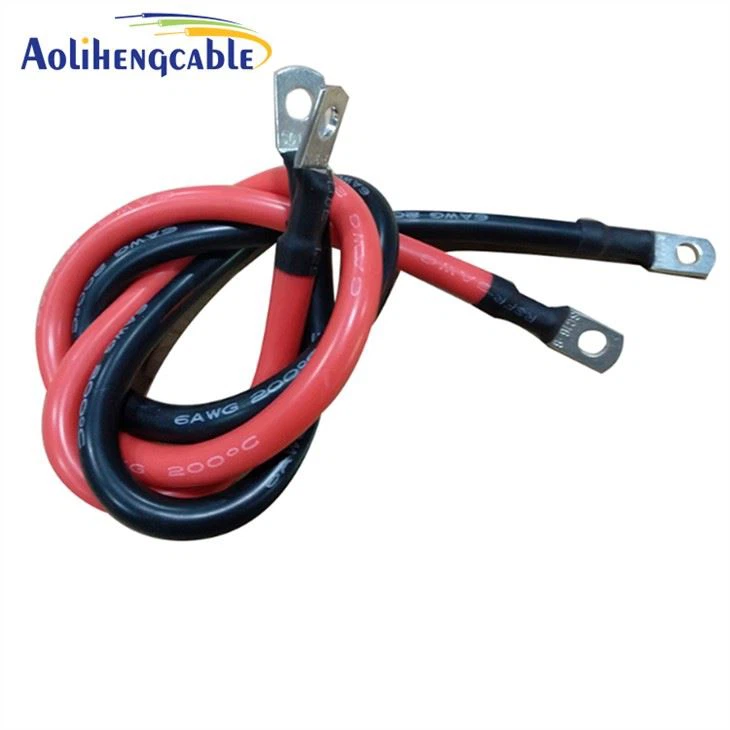
At our company, we take pride in offering high - quality Car Battery Cables. Our Car Battery Cable is made of high - purity copper and is coated with a durable material that resists corrosion. We also offer 4 Gauge Battery Cable, which is suitable for high - power applications and is designed to withstand harsh conditions. Our Car Battery Connection Wire is engineered to provide a reliable and long - lasting connection between the battery and the vehicle's electrical system.
Preventing Corrosion on Car Battery Cables
There are several steps that vehicle owners can take to prevent corrosion on their car battery cables. First, they should ensure proper installation. The cables should be tightened securely onto the battery terminals using the appropriate tools. A torque wrench can be used to ensure that the terminals are tightened to the correct specification.
Regular cleaning is essential. Owners can use a mixture of baking soda and water to clean the battery terminals and cables. Baking soda is a mild alkaline substance that can neutralize the acid on the cables. After cleaning, the cables should be rinsed with clean water and dried thoroughly.
Applying a protective coating can also help. There are special terminal protectors available in the market that can be applied to the battery terminals and cables. These protectors create a barrier between the metal and the environment, preventing moisture and contaminants from coming into contact with the cables.
In addition, keeping the battery compartment dry is crucial. Vehicle owners should check the seals around the battery compartment regularly and repair any leaks. If possible, the vehicle should be parked in a dry and sheltered area, especially during wet weather.
Conclusion
Corrosion on car battery cables is a complex issue caused by a combination of chemical reactions within the battery, environmental factors, poor installation and maintenance, and the quality of the cables themselves. As a supplier of high - quality Car Battery Cables, we understand the importance of providing products that are resistant to corrosion. Our range of Car Battery Cable, 4 Gauge Battery Cable, and Car Battery Connection Wire is designed to meet the needs of vehicle owners and ensure a reliable electrical connection.
If you're in the market for high - quality car battery cables, we invite you to contact us for more information and to discuss your specific requirements. Our team of experts is ready to assist you in finding the right solution for your vehicle.
References
- Battery Council International. "Battery Maintenance Guide."
- Society of Automotive Engineers. "Automotive Electrical System Standards."
- Textbooks on automotive engineering covering battery technology and corrosion science.