

What is the difference between low - cost and high - end speaker cables?
Dec 29, 2025
In the realm of audio equipment, the significance of speaker cables often gets overlooked. Many audiophiles and casual listeners alike focus on the speakers themselves, the amplifier, or the source of the audio. However, the quality and characteristics of speaker cables can have a substantial impact on the overall audio performance. As a reputable speaker cable supplier, I've witnessed firsthand the diverse needs and preferences of customers when it comes to choosing between low-cost and high-end speaker cables. In this blog, I'll delve into the key differences between these two types of cables, shedding light on what makes them unique and how they can affect your audio experience.
1. Construction and Materials
One of the most fundamental differences between low-cost and high-end speaker cables lies in their construction and the materials used. Low-cost speaker cables are typically designed to be budget-friendly, which often means they use basic materials and simpler construction techniques.
Low-cost cables usually feature copper conductors that may have a lower purity level. For instance, they might use oxygen-free copper (OFC) with a relatively modest purity grade or even a copper alloy. The insulation around the conductors is often made of a basic plastic material, such as PVC (polyvinyl chloride). This type of insulation is cost-effective but may not provide the highest level of electrical isolation or protection against external interference.
On the other hand, high-end speaker cables are crafted with meticulous attention to detail and use premium materials. The conductors in high-end cables are often made of high-purity copper, such as 99.99% pure oxygen-free copper (OCC) or even silver. Silver, known for its excellent electrical conductivity, can offer lower resistance compared to copper, which can result in better signal transmission.
The insulation in high-end cables is also of superior quality. Materials like Teflon or polyethylene are commonly used. These insulators have better dielectric properties, meaning they can reduce the loss of electrical energy as the audio signal travels through the cable. Additionally, high-end cables often feature more complex shielding designs to protect against electromagnetic interference (EMI) and radio frequency interference (RFI). This shielding can prevent unwanted noise from being introduced into the audio signal, resulting in a cleaner and more accurate sound.
2. Electrical Performance
The differences in construction and materials directly translate into variations in electrical performance between low-cost and high-end speaker cables.
Resistance is a crucial factor in speaker cable performance. Low-cost cables generally have a higher resistance due to the lower purity of the conductors and the relatively simple construction. This higher resistance can cause a voltage drop along the length of the cable, which can lead to a loss of power and a reduction in the overall loudness of the audio signal. It can also affect the frequency response, potentially causing a roll-off at high frequencies.
High-end speaker cables, with their high-purity conductors and lower resistance, offer better electrical conductivity. This means that the audio signal can travel more efficiently through the cable, with less power loss. As a result, the speakers can reproduce the audio more accurately, with a wider frequency response and better dynamics. The improved conductivity also allows for a more precise transfer of the audio signal, reducing distortion and maintaining the integrity of the original sound.
Another aspect of electrical performance is capacitance and inductance. Low-cost cables may have higher capacitance and inductance values, which can affect the impedance of the cable and interact with the speakers and amplifier. This interaction can lead to phase shifts and frequency response irregularities, resulting in a less accurate and less immersive audio experience. High-end cables are designed to minimize capacitance and inductance, providing a more stable impedance and a better match with the audio system. This helps to ensure that the speakers receive a clean and accurate signal, resulting in a more faithful reproduction of the audio.
3. Sound Quality
The most noticeable difference between low-cost and high-end speaker cables is often the sound quality they produce.
Low-cost cables, due to their limitations in construction and electrical performance, can introduce a certain amount of coloration and distortion to the audio signal. The higher resistance and capacitance can cause a loss of high-frequency detail, making the sound seem dull and lacking in clarity. The dynamic range may also be reduced, resulting in a less impactful and less engaging listening experience.
High-end speaker cables, on the other hand, are engineered to deliver a more transparent and accurate sound. The high-purity conductors and advanced insulation materials allow the audio signal to pass through with minimal interference and distortion. This results in a more detailed and focused sound, with improved clarity and separation between different instruments and voices. The extended frequency response and better dynamics also enhance the overall listening experience, making the music or audio feel more lifelike and immersive.
For example, when listening to a classical music piece with a low-cost cable, you may notice a lack of detail in the high-frequency range, such as the delicate notes of a violin or the shimmer of a cymbal. The overall sound may also seem compressed and lacking in depth. In contrast, using a high-end cable can reveal the full richness and complexity of the music, allowing you to hear every nuance and subtlety that the artist intended.
4. Durability and Longevity
The durability and longevity of speaker cables are important considerations, especially for those who plan to use their audio systems for an extended period.
Low-cost speaker cables are often made with cheaper materials and less robust construction techniques, which can make them more prone to damage. The insulation may be more easily scratched or punctured, exposing the conductors and increasing the risk of short circuits or signal degradation. The connectors on low-cost cables may also be of lower quality, which can lead to poor connections and intermittent audio problems.
High-end speaker cables, on the other hand, are built to last. The premium materials used in their construction are more resistant to wear and tear, and the connectors are often made of high-quality metals that provide a secure and reliable connection. Additionally, high-end cables are often designed with a more rugged exterior, which can protect them from physical damage and environmental factors. This means that you can expect high-end cables to provide consistent performance over a longer period of time, reducing the need for frequent replacements.
5. Price and Value
Perhaps the most obvious difference between low-cost and high-end speaker cables is the price. Low-cost cables are generally much more affordable, making them a popular choice for budget-conscious consumers or those who are just starting to build their audio systems. However, it's important to remember that price doesn't always directly correlate with performance.
While high-end speaker cables can be significantly more expensive, they offer a number of benefits that may justify the higher cost for serious audiophiles or those who demand the best possible audio quality. The improved sound quality, better electrical performance, and greater durability of high-end cables can provide a more rewarding and long-lasting audio experience. Additionally, high-end cables can often enhance the overall value of your audio system, as they can allow your speakers and amplifier to perform at their best.
Ultimately, the choice between low-cost and high-end speaker cables depends on your individual needs, preferences, and budget. If you're on a tight budget or don't have a highly sensitive audio system, a low-cost cable may be sufficient to meet your basic needs. However, if you're a serious audiophile or want to get the most out of your audio equipment, investing in a high-end speaker cable can be a worthwhile decision.
6. Our Product Range
As a speaker cable supplier, we offer a wide range of options to meet the diverse needs of our customers. Whether you're looking for a budget-friendly solution or a high-end cable that delivers exceptional performance, we have you covered.
Our Microphone Cable is designed to provide a reliable connection between your microphone and audio equipment. It features high-quality conductors and insulation to ensure a clean and accurate signal transfer.
For those who need a speaker cable for general audio applications, our Speaker Audio Cable is a great choice. It offers a balance between performance and affordability, making it suitable for a wide range of audio systems.

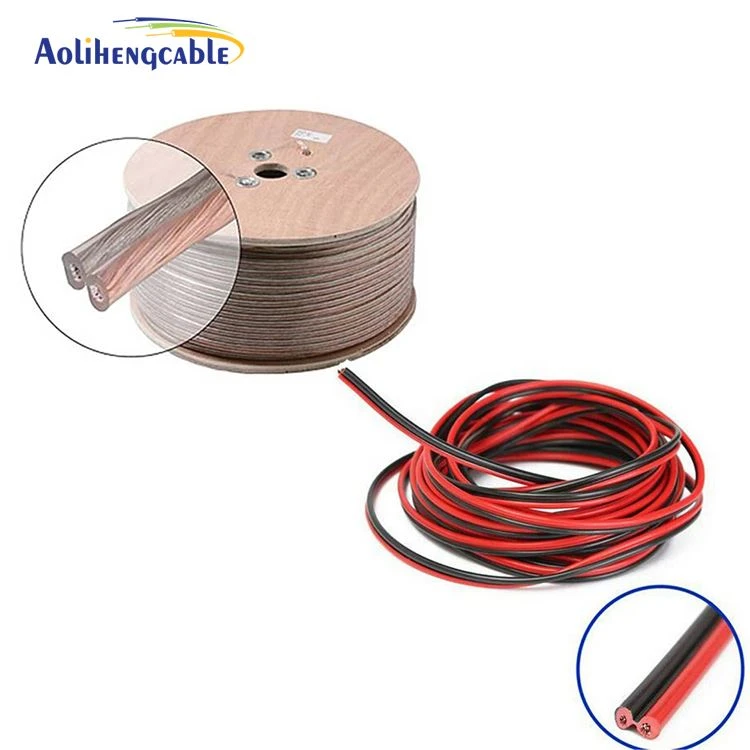
If you're looking for a high-performance speaker cable, our 16 Gauge Speaker Cable is an excellent option. It uses high-purity copper conductors and advanced insulation materials to deliver a detailed and accurate sound.
7. Contact Us for Procurement
We understand that choosing the right speaker cable can be a challenging task. That's why our team of experts is always ready to assist you in making the best decision for your audio system. Whether you have questions about our products, need advice on cable selection, or want to discuss a bulk procurement, we're here to help.
Contact us today to start a conversation about your speaker cable needs. We look forward to working with you to enhance your audio experience.
References
- Toole, Floyd E. Sound Reproduction: The Acoustics and Psychoacoustics of Loudspeakers and Rooms. Elsevier, 2019.
- Eargle, John M. Handbook of Audio Engineering. Focal Press, 2012.