

What is the environmental impact of single core cables?
Jul 21, 2025
Hey there! As a supplier of single core cables, I've been thinking a lot about the environmental impact of these products. In this blog, I'm gonna share my thoughts on this topic and give you the low - down on how single core cables affect our planet.
First off, let's talk about the materials used in single core cables. Most single core cables consist of a conductor, usually made of copper or aluminum, and an insulating layer. Copper is a highly conductive metal, and it's widely used in cables because it allows for efficient electricity transmission. But the mining and extraction of copper have a significant environmental footprint.
Copper mining is a resource - intensive process. It requires large amounts of water, energy, and land. Open - pit copper mines, in particular, can cause deforestation, soil erosion, and water pollution. The chemicals used in the extraction process, such as sulfuric acid, can contaminate nearby water sources, harming aquatic life and making water unfit for human consumption.
Aluminum is another common material for single core cable conductors. Aluminum production also has its environmental issues. The smelting process of aluminum requires a huge amount of electricity. Most of this electricity is generated from fossil fuels, which release greenhouse gases into the atmosphere, contributing to global warming. Additionally, the bauxite mining for aluminum production can lead to habitat destruction and soil degradation.
Now, let's move on to the insulating layer of single core cables. Many cables use materials like PVC (Polyvinyl Chloride) for insulation. PVC is a synthetic plastic that is cheap and easy to work with. However, PVC is not environmentally friendly. During its production, toxic chemicals such as dioxins are released. These chemicals are persistent organic pollutants that can accumulate in the environment and in the food chain. When PVC cables are disposed of, either through landfilling or incineration, they can release more harmful substances. Landfilling PVC can lead to the leaching of chemicals into the soil and groundwater, while incinerating PVC releases toxic fumes.
On the other hand, there are some more eco - friendly insulation materials available, like cross - linked polyethylene (XLPE). XLPE has better electrical properties and is more thermally stable compared to PVC. It doesn't release as many toxic chemicals during production and disposal. However, the production of XLPE still requires energy and resources, and recycling XLPE is not as straightforward as one might hope.
The manufacturing process of single core cables also consumes a lot of energy. Factories need to power their machinery for tasks such as drawing the conductors, applying the insulation, and testing the cables. If the electricity used in these factories comes from non - renewable sources, it adds to the overall carbon footprint of the cables.
When it comes to the use of single core cables, their energy efficiency plays a crucial role in their environmental impact. A well - designed single core cable with low resistance can reduce energy losses during electricity transmission. This means less energy is wasted, and less fossil fuel needs to be burned to generate the same amount of usable electricity. For example, our 6mm Cable Single Core is engineered to have high conductivity, which helps in minimizing energy losses.
Another aspect is the lifespan of single core cables. A longer - lasting cable means less frequent replacement, which reduces the overall environmental impact. Our 2.5 mm Single Core Cable is built to be durable, with high - quality materials and excellent manufacturing standards. This not only saves money for our customers but also reduces the amount of waste generated from cable replacements.
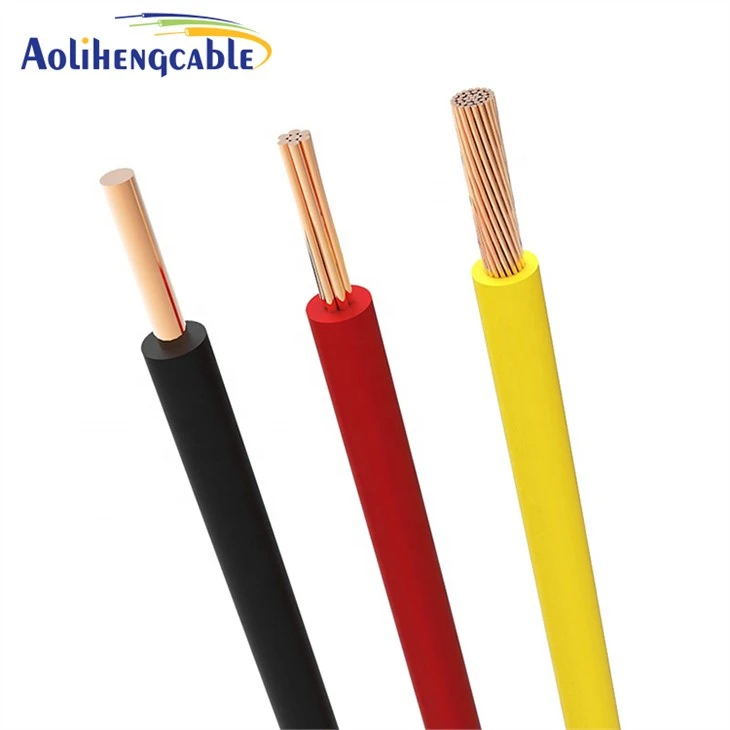

End - of - life management of single core cables is a major environmental concern. Most cables end up in landfills, where they can take hundreds of years to decompose. And as I mentioned earlier, some of the materials in cables can release harmful substances into the environment during this decomposition process. Recycling is a better option, but it's not always easy. Separating the different components of a cable, such as the conductor and the insulation, is a complex and costly process.
At our company, we're aware of these environmental challenges, and we're taking steps to reduce the impact of our single core cables. We're constantly researching and developing new materials and manufacturing processes to make our cables more eco - friendly. For instance, we're looking into using more recycled materials in our cables. We're also working on improving the energy efficiency of our manufacturing plants.
We offer a wide range of Single Core Power Cable products that are designed with both performance and environmental considerations in mind. Whether you need a cable for a small household project or a large industrial application, we've got you covered.
If you're in the market for single core cables and want to make an environmentally responsible choice, we'd love to talk to you. We can provide you with detailed information about the environmental impact of our products and how we're working to make them better. Don't hesitate to reach out to us for a purchase negotiation. We're committed to providing you with high - quality, eco - friendly single core cables at competitive prices.
References:
- "Environmental Impacts of Copper Mining" - Journal of Environmental Science and Management
- "The Production and Environmental Impact of Aluminum" - International Journal of Sustainable Manufacturing
- "PVC: A Toxic Plastic" - Environmental Health Perspectives
- "Energy Efficiency in Electrical Cables" - IEEE Transactions on Power Delivery